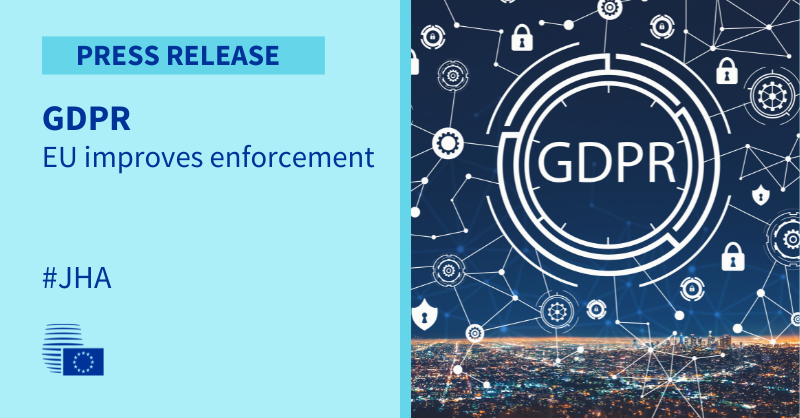
Legal Update🇪🇺EU

EU Plans GDPR Simplification for SMEs: What Really Changes in 2025

8 min read

The EU’s ‘Digital Omnibus Package’ aims to simplify GDPR for small and medium businesses. Learn what actually changes-and what stays 100% mandatory.
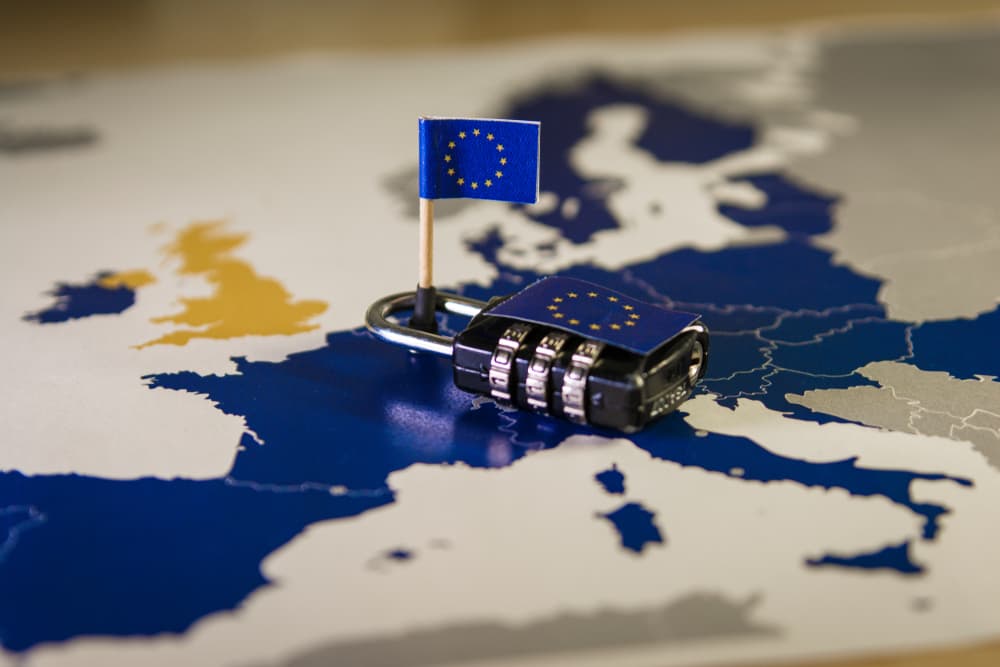
EU Plans GDPR Simplification for SMEs: What Really Changes in 2025

The EU’s ‘Digital Omnibus Package’: A Simpler GDPR for SMEs?


The European Commission has proposed reforms (often referred to as part of a “Digital Omnibus” approach) to simplify GDPR compliance for small and medium-sized enterprises (SMEs).


The goal is to reduce unnecessary admin while keeping core data protection standards intact.


For early coverage and discussion, see:

  • Read more → https://therecord.media/eu-proposal-changes-gdpr-small-medium-businesses

  • You can follow official updates from:

  • European Commission – Data protection: https://commission.europa.eu/law/law-topic/data-protection_en

  • What Will Actually Get Easier


  • Simplified Records of Processing (ROPA)

  • Shorter, clearer templates for SMEs.
  • Less repetitive information when nothing has changed.
  • More practical guidance on what is “essential” to record.

  • ROPA remains mandatory, but the paperwork becomes more realistic for small teams.


    2. Clearer Roles for Controllers and Processors


  • Better explanations of who is responsible for what.
  • More explicit guidance on sub‑processors.
  • Clearer scenarios for joint responsibility.

  • This helps SMEs understand their obligations when using cloud tools, SaaS platforms, and other vendors.


    3. Reduced Repetitive Admin


    You may not need to:


  • Re‑document identical processes frequently.
  • Over‑engineer documentation for low‑risk, limited data processing.
  • Run certain checks more often than necessary.

  • However, regular reviews and updates are still expected.


    What Does NOT Change


    These core elements remain fully required:


  • A clear, accurate Privacy Policy
  • Cookie Policy and consent banner (where cookies/trackers are used)
  • Data Processing Agreements (DPAs) with all processors
  • A Record of Processing Activities (ROPA)
  • Breach notification procedures (72‑hour rule)
  • Data Subject Rights procedures for access, erasure, portability, etc.

  • Simplification means easier compliance—not optional compliance.


    Why This Matters for Startups


    For Cyprus and EU startups:


  • Compliance should become more achievable with limited budgets.
  • You will be able to rely on simpler, semi-standard templates.
  • Legal overhead for the first year should drop.

  • But regulators will still look for:


  • Real security measures
  • Documented processes
  • Evidence that you take GDPR seriously

  • Example: 8‑Person Tech Startup


    Before Reforms:


  • 15–20 hours of documentation work
  • Multiple rounds of legal interpretation
  • Higher risk of missing key details

  • After Reforms (once live):


  • 5–8 hours with simplified templates
  • Clearer official examples
  • Lower legal costs and fewer misunderstandings

  • Indicative Timeline


  • Q1 2025: Political agreement and refinements.
  • Q2–Q3 2025: Official guidance and templates.
  • Q4 2025–2026: Full implementation.

  • Don’t wait for the reforms to become fully effective. The safest position is to meet current requirements now and then switch to simplified templates when they become available.


    Your 2025 Action Plan


  • Implement core GDPR basics (Privacy Policy, Cookie Policy, DPAs, ROPA, breach plan).
  • Keep documentation honest but simple.
  • Monitor official EU and local DPA communications.
  • Plan a light update to adopt simpler templates when they are published.
  • Tags:

    Click any tag to see related posts

    Need Legal Documents?

    Get expert-drafted legal documents customized for your business. From NDAs to GDPR policies, we've got you covered.

    View All Services